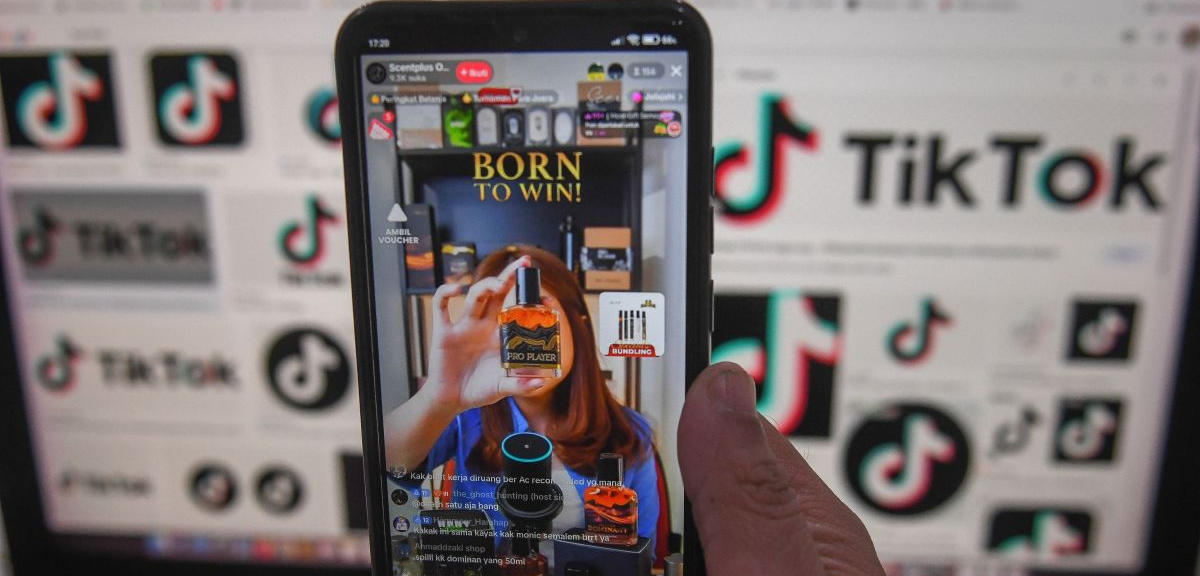
TikTok Shop is accused of “special treatment” to domestic traders.
TikTok Shop has recently become the focus of attention in Indonesia’s electricity market again, as he has been accused of giving special preferential treatment to Chinese traders, which has given rise to intense controversy. This special treatment is said to have led to a large influx of imported goods into the market, severely squeezing the space for local MSMEs.
The President of the Indonesian Electronic Commerce Association (IdEA), Bima Laga, has publicly criticized the preferential treatment of Chinese businesses on TikTok Shop, such as lower transaction rates or preferential representation, which creates unfair competition. He noted that not only did this harm the interests of local traders but also threatened the overall balance of the Indonesian economy.
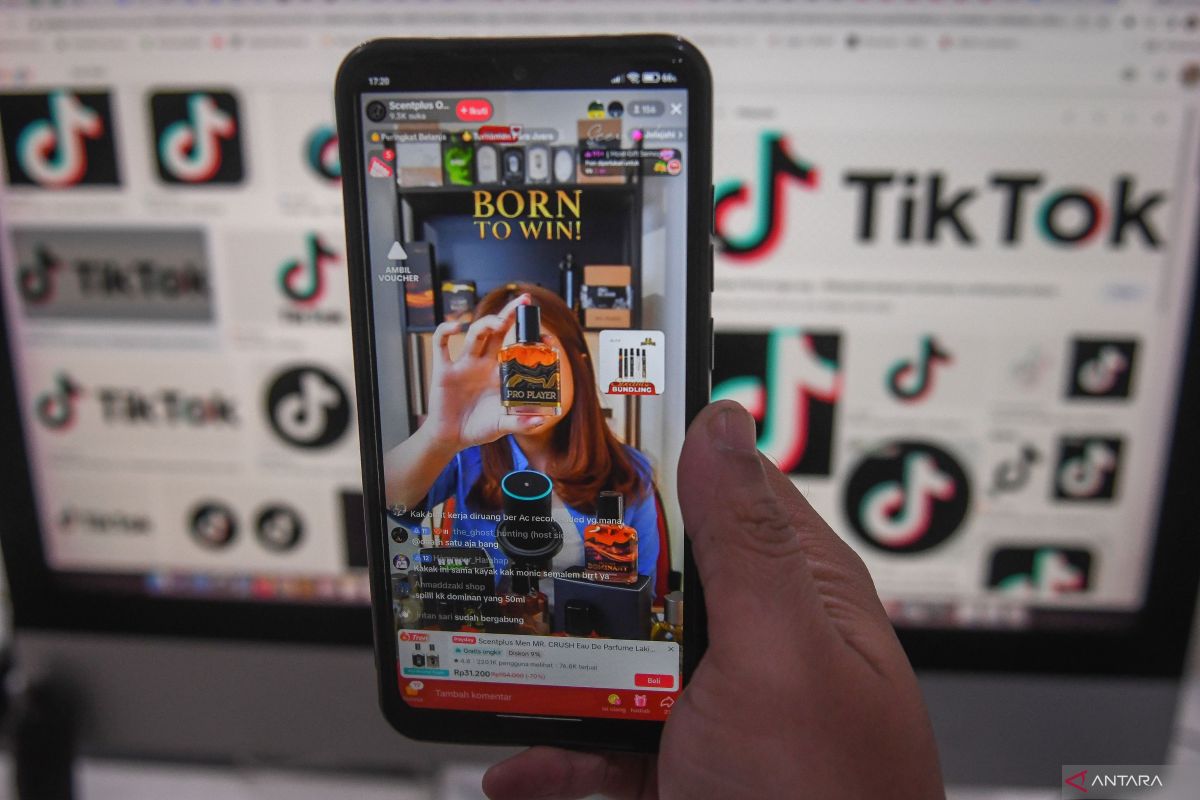
Critics argue that the business model of TikTok Shop may have exacerbated low-priced competition for imported goods. Since the launch of TikTok Shop in Indonesia in 2021, its 125 million-month active users have brought rapid growth to the Platform, with total merchandise transactions (GMVs) in the South-East Asia region reaching $4.4 billion in 2022.
However, IdEA and others are concerned that this growth depends heavily on the participation of Chinese businessmen, who use TikTok ‘ s live and short video ecology to take their share of goods below market prices. In particular, after the Government of Indonesia banned TikTok Shop in October 2023, the platform re-entered the Bureau in cooperation with the local power provider Tokopedia, but the controversy did not recede. Some local traders have reported that, even as a result of policy adjustments, foreign “VIP services” have not ceased, resulting in a decline in local MSMS sales, as reported by the Ministry of Burdens in the Tanah Abang market in Jakarta, where revenue has been cut by 60 per cent.

In response, TikTok Shop, for its part, strongly denied the existence of discriminatory policies, emphasizing that all businesses, local and foreign, have equal platform rights. The platform speaker stated that TikTok Shop was committed to supporting the Indonesian economy, had invested $1.5 billion in cooperation with Tokopedia and helped local enterprises to improve their competitiveness through training programmes and marketing support. However, this response did not completely calm the controversy. Critics have questioned the limited effectiveness of training and subsidies and their inability to offset the cost advantages of economies of scale for foreign businesses.
From a broader perspective, the attitude of the Indonesian Government is noteworthy. In 2023, TikTok Shop was banned from trading on the grounds of protecting local businesses and requested that social media platforms be separated from electric operators. Although TikTok circumvented the ban through cooperation with Tokopedia, the Government continued to focus on localizing commitments of foreign power platforms. IdEA called for stricter regulations and for the platform to disclose business treatment data to ensure fair competition.
This controversy reflects the complexity of the electricity market in South-East Asia. On the one hand, the rapid growth of TikTok Shop has created employment opportunities in Indonesia (about 2 million local traders) and has boosted the digital economy; on the other hand, its potential threat to local MSMes has triggered protectionist sentiments. In the future, TikTok Shop may need to further optimize localization strategies to balance interests.

Related Posts

Steam refutes the claim that the CS2 trophy box is gambling, “so it’s illegal to open a blind box.”

Xbox confirms the downgraded Game Pass subscription and the new mission call is no longer on XGP.